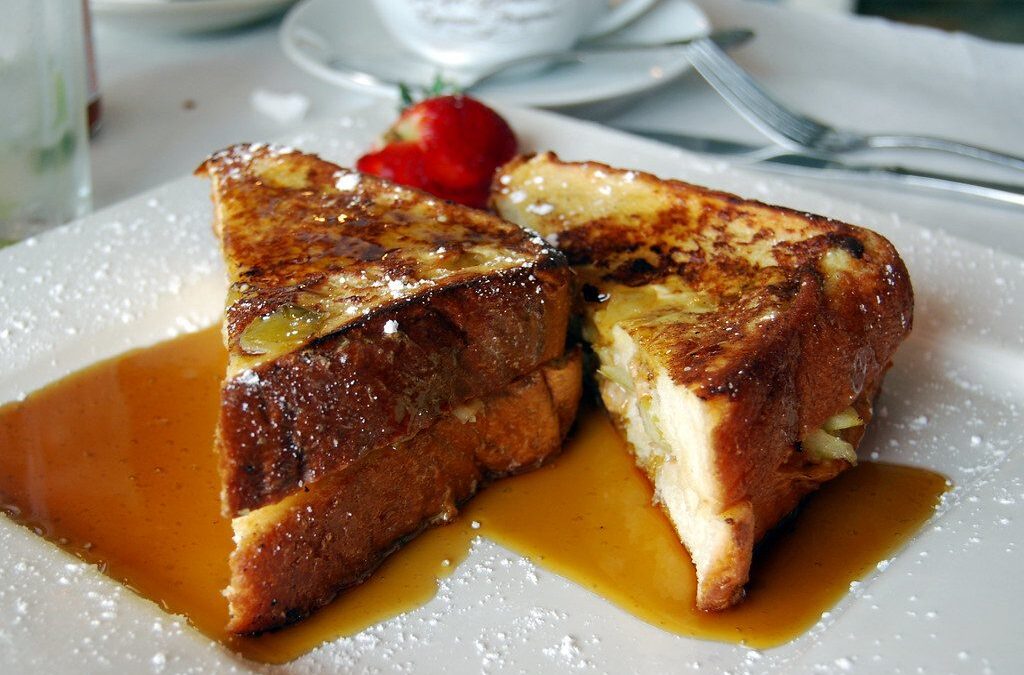
French toast is the breakfast that turns an ordinary morning into an occasion. Slices of bread bathed in a sweet, vanilla-scented custard, then griddled in butter until the outside is golden and crisp and the inside stays soft and almost pudding-like. It smells like a warm hug, and it takes barely more effort than making toast.
What I love most is that it rescues bread that is a day or two past its prime. In fact, slightly stale bread is the secret to the best French toast, because it soaks up the custard without falling apart. It is humble, thrifty cooking that tastes anything but.
This is the breakfast for slow weekend mornings, for spoiling someone you love, or for a holiday brunch that needs to feed a crowd. Dust it with powdered sugar, pour on the maple syrup, and pile on the berries. It is pure comfort on a plate, and it comes together in minutes.
Prep: 10 mins Cook: 15 mins Serves: 4
Why You’ll Love This French Toast
- Crisp outside, custardy inside: The right soak and a buttery griddle give you the perfect contrast in texture.
- Pantry staple ingredients: Bread, eggs, milk, and a few flavorings you already have.
- Ready in minutes: A cozy, impressive breakfast with almost no hands-on effort.
- Reduces waste: A delicious way to use up bread that is going stale.
- Endlessly toppable: Berries, syrup, powdered sugar, or a dollop of cream, however you like it.
Ingredients
- 8 thick slices of bread — brioche or challah are ideal, slightly stale is best
- 4 large eggs — the base of the custard
- 1 cup whole milk — for richness, or half milk and half cream
- 1 tablespoon sugar — lightly sweetens the custard
- 1 teaspoon vanilla extract — essential for that classic flavor
- 1 teaspoon ground cinnamon — warm and cozy
- Pinch of salt — balances the sweetness
- 2 tablespoons butter — for the griddle, plus more as needed
- Maple syrup — for serving
- Powdered sugar and fresh berries — to finish
Instructions
- Whisk the custard. In a wide, shallow dish, whisk together the eggs, milk, sugar, vanilla, cinnamon, and salt until fully combined. Whisk well so no streaks of egg white remain, which prevents scrambled bits on your toast.
- Prep your bread. If your bread is fresh, leave the slices out for 15 minutes or toast them lightly to dry them out. Drier bread soaks up more custard without turning to mush.
- Soak the slices. Dip each slice into the custard, letting it sit for about 20 seconds per side. You want it saturated but not falling apart; thick slices can take a little longer.
- Heat the pan. Melt a tablespoon of butter in a large skillet or griddle over medium heat. Wait until it foams but does not brown, which tells you the pan is at the right temperature.
- Griddle to golden. Add the soaked slices and cook for 2 to 3 minutes per side until deeply golden brown and set. Resist flipping too early; let the crust develop first.
- Keep them warm. Transfer cooked slices to a wire rack in a low oven, around 200F, while you cook the rest. A rack keeps them crisp instead of soggy.
- Wipe and repeat. Add fresh butter between batches, wiping the pan if any bits start to burn, so every slice cooks evenly.
- Serve immediately. Dust with powdered sugar, top with fresh berries, and serve with a generous pour of warm maple syrup.
Tips for the Best French Toast
- Use sturdy, thick bread: Brioche, challah, or a rustic loaf hold up to soaking far better than thin sandwich bread.
- Slightly stale is ideal: Day-old bread absorbs the custard beautifully without disintegrating.
- Do not oversoak: A quick dip is enough; leaving bread too long makes the center gummy.
- Medium heat is key: Too hot and the outside burns before the inside cooks; too low and it turns greasy.
- Use butter, not just oil: Butter gives that unbeatable golden color and nutty flavor.
Variations & Substitutions
- Dairy-free: Use almond, oat, or coconut milk in place of the whole milk.
- Stuffed French toast: Sandwich cream cheese and jam between two slices before soaking.
- Extra flavor: Add a splash of orange zest or a pinch of nutmeg to the custard.
- Savory twist: Skip the sugar and cinnamon, add herbs, and top with a fried egg.
How to Store & Reheat
Leftover French toast keeps in an airtight container in the fridge for up to 3 days. Reheat slices in a toaster or a hot oven to bring back the crisp exterior; the microwave will make them soft. To freeze, lay cooled slices on a tray until solid, then transfer to a freezer bag for up to 2 months and reheat straight from frozen in the toaster. This makes weekday breakfasts a breeze.
What to Serve With It
Crispy bacon or breakfast sausage adds a salty contrast that balances the sweetness perfectly. A bowl of fresh berries or sliced bananas brightens the plate and adds freshness. For a full brunch spread, serve it alongside scrambled eggs and a pot of good coffee or fresh-squeezed orange juice.
Frequently Asked Questions
What is the best bread for French toast?
Thick, sturdy breads like brioche, challah, or a rustic country loaf work best. They soak up the custard while holding their shape. Slightly stale slices are even better.
Why is my French toast soggy in the middle?
Either the bread soaked too long or the pan was too hot, cooking the outside before the center set. Use a shorter dip and cook over steady medium heat.
Can I make French toast ahead of time?
Yes. Cook it fully, then refrigerate or freeze the slices. Reheat in a toaster or oven so the exterior crisps back up, making it perfect for busy mornings.
Slow down, pour the syrup, and enjoy every bite of this timeless weekend treat. Good morning.