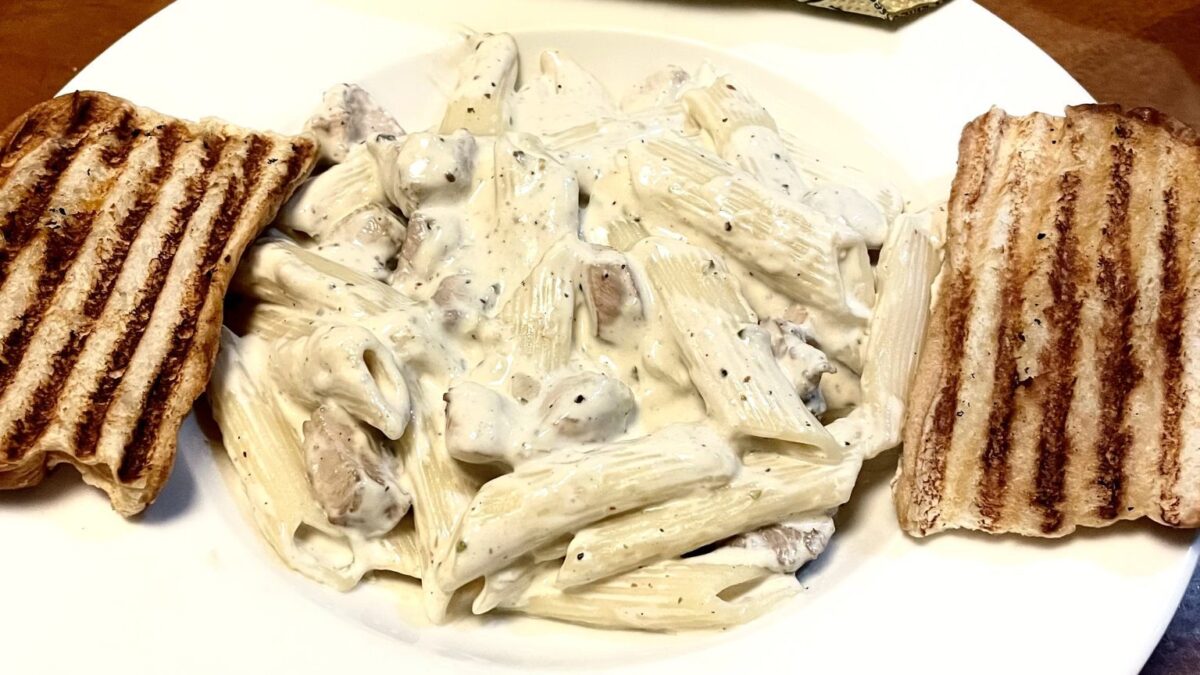
Some weeknights simply do not have room for a sink full of pots and a long ingredient list, and that is exactly why this lemon herb chicken orzo became a permanent fixture in my kitchen. Everything cooks in one skillet, the orzo turns silky as it simmers, and the whole thing lands on the table in about twenty minutes.
What I love most is how bright and fresh it tastes for something so fast. Lemon and garlic keep it lively, tender chicken makes it filling, and the orzo soaks up every bit of savory flavor as it cooks. It feels like a dish that took real effort, which is the best kind of secret to keep.
This recipe is for the busy cook who still wants something genuinely good. If you are staring down a hungry family after a long day, this is your answer.
Prep: 8 mins Cook: 20 mins Serves: 4
Why You’ll Love This Lemon Herb Chicken Orzo
- One skillet, minimal cleanup, because the orzo cooks right in the pan with the chicken and soaks up all that flavor.
- On the table in about 20 minutes, making it a true weeknight lifesaver on your busiest evenings.
- Bright and fresh thanks to plenty of lemon, garlic, and herbs that keep it from ever feeling heavy.
- A complete meal in one dish, with protein and a satisfying pasta base that needs little more than a salad alongside.
- Endlessly adaptable with whatever herbs, greens, or extra vegetables you have on hand.
Ingredients
- 1 lb boneless, skinless chicken breasts, cut into bite-sized pieces
- 1 1/2 cups dry orzo pasta
- 3 cups low-sodium chicken broth, kept warm
- 3 tablespoons olive oil, divided
- 4 cloves garlic, minced
- 1 small onion, finely diced
- Zest and juice of 1 large lemon
- 1/2 cup grated Parmesan, plus more to serve
- 2 cups baby spinach, roughly chopped
- 2 tablespoons chopped fresh parsley or dill
- 1/2 teaspoon dried oregano
- Salt and freshly ground black pepper
Instructions
- Season and sear the chicken. Pat the chicken dry and season with salt, pepper, and the oregano. Heat two tablespoons of oil in a large skillet over medium-high heat, then add the chicken in a single layer. Sear undisturbed for a couple of minutes so it colors, then stir and cook until just done. Transfer to a plate.
- Soften the aromatics. Lower the heat to medium and add the last tablespoon of oil. Stir in the onion with a pinch of salt and cook until soft and translucent, about three minutes, then add the garlic and cook for thirty seconds until fragrant.
- Toast the orzo. Pour in the dry orzo and stir for a minute or two, letting it toast lightly in the oil. This small step gives the finished dish a nutty depth and helps the grains stay separate.
- Simmer the orzo. Add the warm broth and lemon zest, stir well, and bring to a gentle simmer. Cook, stirring often so nothing sticks, until the orzo is tender and most of the liquid is absorbed, about eight to ten minutes.
- Fold in the greens. Once the orzo is creamy and just tender, stir in the chopped spinach and let it wilt into the pan, which takes only a minute.
- Return the chicken. Add the seared chicken back to the skillet along with any resting juices, stirring gently to warm it through and coat it in the sauce.
- Finish with lemon and cheese. Turn off the heat and stir in the lemon juice, Parmesan, and fresh herbs. Taste and adjust with more salt, pepper, or a squeeze of lemon until it tastes bright and balanced.
- Rest and serve. Let it sit for two minutes so the sauce thickens slightly, then serve in warm bowls with an extra shower of Parmesan on top.
Tips for the Best Chicken Orzo
- Keep your broth warm on the side so it does not cool the pan and slow the cooking when you add it.
- Stir the orzo often as it simmers, since it loves to settle and stick to the bottom of the skillet.
- Do not overcook the chicken in the first sear; it finishes warming later, so pulling it just done keeps it juicy.
- Add the lemon juice off the heat to keep its flavor fresh and prevent any bitterness.
- Loosen with a splash of broth if the orzo tightens up before serving, as it thickens quickly as it sits.
Variations & Substitutions
- Swap the protein for shrimp, which needs only a few minutes, or use rotisserie chicken stirred in at the end.
- Make it vegetarian by skipping the chicken, using vegetable broth, and adding a can of drained white beans for heartiness.
- Add vegetables like halved cherry tomatoes, peas, or asparagus in the last few minutes of simmering.
- Go dairy-free by leaving out the Parmesan and finishing with a drizzle of good olive oil and extra herbs.
How to Store & Reheat
Store leftovers in an airtight container in the fridge for up to three days. The orzo drinks up the sauce as it sits, so when reheating, add a generous splash of broth or water and warm gently on the stovetop or in the microwave, stirring until it loosens back into a creamy texture. A fresh squeeze of lemon wakes it right up. I do not recommend freezing this one, as cooked orzo turns soft and loses its bite.
What to Serve With It
This orzo is nearly a complete meal on its own, but a crisp green salad with a sharp vinaigrette makes a lovely, light partner. Warm crusty bread is perfect for catching the lemony sauce, and a plate of simple roasted asparagus or blistered green beans adds color and a bit more vegetable to the table without much extra work.
Frequently Asked Questions
Can I use chicken thighs instead of breasts?
Yes, boneless thighs work wonderfully and stay especially juicy. Cut them into bite-sized pieces and cook as directed, allowing a minute or two longer if needed.
My orzo turned out mushy. What happened?
It likely simmered too long or with too much liquid. Start checking it early, and remember it keeps softening off the heat, so pull it while still slightly al dente.
Can I make this ahead for meal prep?
Definitely. Portion it into containers once cooled, and add a splash of broth when reheating to bring back that creamy consistency.
Once you see how fast this comes together, do not be surprised when it lands in your regular weeknight rotation for good.