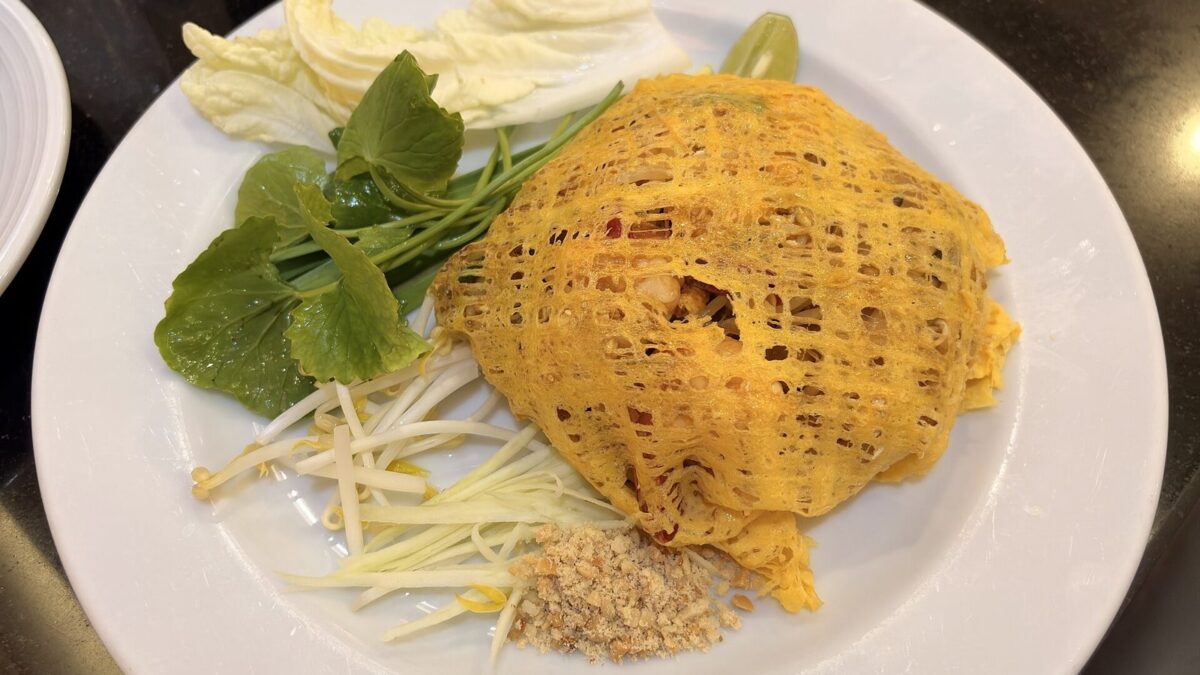
There is a specific kind of joy that comes from realizing you can make pad Thai at home that tastes as good as your favorite restaurant. For years I assumed it was a dish best left to the professionals, something involving mysterious ingredients and a scorching wok I did not own. Then I actually made it, and the whole thing came together in about twenty-five minutes on a regular stovetop.
The magic of pad Thai lives in the sauce, that glossy balance of sweet, sour, and salty that coats every strand of noodle. Once you understand those three notes, you can adjust the dish to your own taste forever. It is genuinely one of the most rewarding weeknight dinners you can learn.
This version uses chicken because it is what most people keep on hand, but the technique works for shrimp, tofu, or a mix. Let us get cooking.
Prep: 15 mins Cook: 12 mins Serves: 4
Why You’ll Love This Chicken Pad Thai
- Faster than delivery. From cutting board to table in under half an hour, with no waiting for a driver.
- That authentic flavor balance. A three-ingredient sauce nails the sweet-sour-savory profile you love.
- Endlessly adaptable. Swap the protein, pile on the vegetables, or dial the heat up and down.
- Budget friendly. Rice noodles and pantry staples cost a fraction of a restaurant order.
- A fun one to cook. The quick tossing and building of layers makes you feel like a pro.
Ingredients
- 8 oz flat rice noodles — the medium width, sometimes labeled pad Thai noodles
- 2 boneless chicken breasts — thinly sliced against the grain
- 3 tablespoons tamarind paste — the heart of the sour note
- 3 tablespoons fish sauce — for deep savory saltiness
- 3 tablespoons brown sugar — or palm sugar if you have it
- 2 large eggs — lightly beaten
- 3 cloves garlic — finely minced
- 3 green onions — cut into short pieces
- 1 cup bean sprouts — plus extra for serving
- 1/3 cup roasted peanuts — roughly chopped
- 2 tablespoons neutral oil — such as vegetable or peanut oil
- 1 lime — cut into wedges, plus chili flakes to taste
Instructions
- Soak the rice noodles in warm water for about 20 minutes, until pliable but still slightly firm. They will finish cooking in the pan, so do not let them go fully soft. Drain and set aside.
- Make the sauce by whisking together the tamarind paste, fish sauce, and brown sugar in a small bowl until the sugar dissolves. Taste it. It should be boldly sweet, sour, and salty all at once.
- Heat a tablespoon of oil in a large wok or skillet over high heat. Add the sliced chicken and stir-fry for 3 to 4 minutes until cooked through and lightly golden. Push it to one side of the pan.
- Add the remaining oil and the minced garlic to the empty side, stirring for about 30 seconds until fragrant. Pour in the beaten eggs and let them set for a moment before scrambling them into soft curds.
- Add the drained noodles and pour the sauce over the top. Toss everything together with tongs, lifting and folding so the noodles absorb the sauce and soften evenly. This takes about 2 to 3 minutes.
- Toss in the bean sprouts, green onions, and half of the chopped peanuts. Stir just until the sprouts begin to wilt but still have a little crunch.
- Taste and adjust. Add a splash more fish sauce for salt or a squeeze of lime for brightness. Remove from the heat.
- Divide among plates and top with the remaining peanuts, extra bean sprouts, lime wedges, and chili flakes for anyone who wants heat.
Tips for the Best Chicken Pad Thai
- Do not oversoak the noodles. Slightly firm noodles hold up to tossing without turning gummy or mushy in the pan.
- Have everything ready before you start. Pad Thai moves fast, so prep and measure all ingredients before the wok gets hot.
- Use high heat. A hot pan gives you that subtle smoky char and keeps the noodles from steaming into a sticky clump.
- Taste your sauce first. Tamarind brands vary in sourness, so adjust the sugar and fish sauce to balance it.
- Work in batches if needed. Crowding a small pan drops the temperature and gives you soggy noodles instead of springy ones.
Variations & Substitutions
- Shrimp or tofu: Swap the chicken for peeled shrimp or pressed, cubed tofu for a different take.
- No tamarind: Use a mix of lime juice and a little rice vinegar with a touch of ketchup for a passable stand-in.
- Vegetarian: Replace fish sauce with soy sauce or a vegan fish sauce and skip the meat.
- Extra vegetables: Add shredded carrots, thinly sliced bell pepper, or garlic chives for more color and crunch.
How to Store & Reheat
Pad Thai is best fresh, but leftovers keep well in an airtight container in the refrigerator for up to three days. Reheat in a hot skillet with a small splash of water to loosen the noodles and bring back their texture. A microwave works in a pinch, though the noodles soften more. Add a fresh squeeze of lime and a sprinkle of peanuts after reheating to wake the flavors back up. I do not recommend freezing, as rice noodles turn mealy once thawed.
What to Serve With It
Pad Thai is a complete meal on its own, but it shines alongside a few simple sides. Try a plate of crisp Thai spring rolls or fresh summer rolls with peanut dipping sauce. A cooling cucumber salad tossed with rice vinegar balances the richness beautifully. To drink, a Thai iced tea or a cold lager rounds everything out perfectly.
Frequently Asked Questions
Can I make pad Thai without a wok?
Absolutely. A large, wide skillet works well. The key is high heat and enough room to toss the noodles without crowding them.
Why are my noodles sticking together?
This usually means they soaked too long or the pan was not hot enough. Slightly undercook them in the soak and keep the heat high while tossing.
Is fish sauce necessary?
It provides the signature savory depth, but you can substitute soy sauce for a vegetarian version. The flavor shifts slightly but stays delicious.
Once you make this a couple of times, it will become one of those dinners you can throw together without even thinking. Grab your tongs and give it a try tonight.