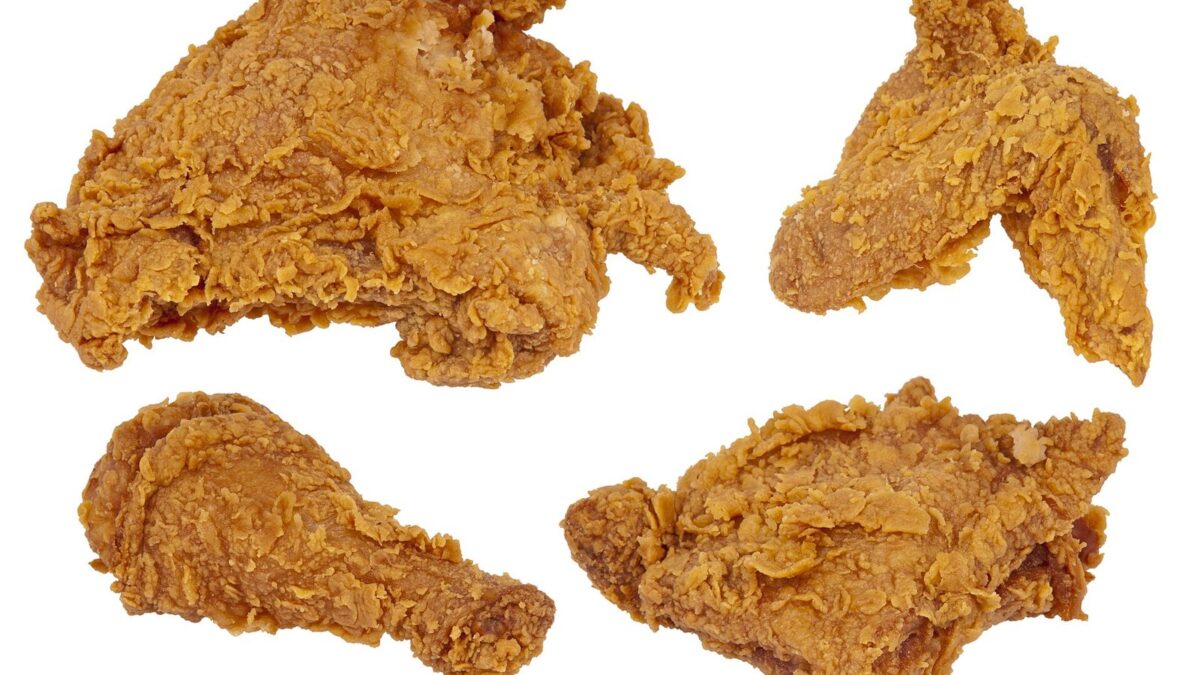
There’s a particular kind of joy in biting into a piece of fried chicken you made yourself. That first crunch, the way the crust shatters before you reach the juicy meat underneath, the warmth of it in your hands. It feels celebratory even on an ordinary Tuesday.
For a long time I thought fried chicken belonged to restaurants and to grandmothers who’d been making it for fifty years. But after plenty of practice, and a few sad, pale batches, I learned it comes down to two things: a good long soak and patience with the oil temperature.
This is the version I make when people I love are coming over. It’s not fussy, it doesn’t need a deep fryer, and it rewards you generously for a little attention.
Prep: 20 mins Cook: 25 mins Serves: 4
Why You’ll Love This Fried Chicken
- Genuinely crispy crust that stays crunchy instead of going soft after a few minutes.
- Juicy, tender meat thanks to an overnight buttermilk soak that seasons it all the way through.
- No special equipment needed, just a heavy pot and a thermometer if you have one.
- Budget-friendly and feeds a crowd, which makes it perfect for gatherings.
- Endlessly adaptable heat level and seasoning to suit your household.
Ingredients
- 8 pieces bone-in chicken (thighs, drumsticks, and breasts cut in half), about 3 to 4 pounds
- 2 cups buttermilk for the soak; the acidity keeps the meat tender
- 1 tablespoon hot sauce (optional, for a gentle background warmth)
- 2 cups all-purpose flour for the dredge
- 1 tablespoon paprika for color and mild smokiness
- 2 teaspoons garlic powder
- 2 teaspoons onion powder
- 1 teaspoon cayenne pepper, more or less to taste
- 2 teaspoons salt, plus more for the soak
- 1 teaspoon black pepper, freshly ground if possible
- 1 teaspoon baking powder to help the crust puff and crisp
- Neutral oil for frying such as vegetable, canola, or peanut oil
Instructions
- In a large bowl, whisk together the buttermilk, hot sauce, and a generous pinch of salt. Add the chicken pieces and turn to coat. Cover and refrigerate for at least 4 hours, or overnight for the best flavor and tenderness.
- When you’re ready to cook, take the chicken out and let it sit at room temperature for about 20 minutes. Meanwhile, whisk the flour, paprika, garlic powder, onion powder, cayenne, salt, black pepper, and baking powder together in a wide, shallow dish.
- Working one piece at a time, lift the chicken from the buttermilk, letting the excess drip off, then press it firmly into the seasoned flour. Really pack it on, into every crevice. Set the dredged pieces on a wire rack and let them rest 10 minutes so the coating sets.
- Pour about 2 inches of oil into a heavy, deep pot or Dutch oven. Heat over medium until it reaches 350°F (175°C). If you don’t have a thermometer, a pinch of flour dropped in should sizzle steadily.
- Carefully lower in a few pieces at a time, skin side down, without crowding the pot. Crowding drops the temperature and gives you greasy chicken. Fry for 6 to 8 minutes per side.
- Keep an eye on the oil temperature and adjust the heat to hold it between 300°F and 325°F while frying. Too hot and the crust burns before the inside cooks; too low and it turns oily.
- The chicken is done when it’s deep golden brown and reaches an internal temperature of 165°F (74°C) at the thickest part. Thighs and drumsticks usually take a little longer than breast pieces.
- Transfer the finished chicken to a clean wire rack set over a tray, not paper towels, so the bottom stays crisp. Sprinkle with a little salt while it’s still hot.
- Let it rest for 5 minutes before serving so the juices settle and the crust firms up. Then serve.
Tips for the Best Fried Chicken
- Don’t skip the soak. Even a few hours makes a real difference in tenderness and seasoning.
- Use a thermometer for the oil if you can; it’s the single biggest factor between crisp and greasy.
- Rest the dredged chicken before frying so the coating adheres and doesn’t slide off in the oil.
- Fry in batches and let the oil come back up to temperature between them.
- Cool on a rack, not paper towels, to keep every side crunchy.
- Season the moment it comes out of the oil, while the surface is still glistening and salt sticks.
Variations & Substitutions
- No buttermilk? Stir 2 tablespoons of lemon juice or white vinegar into 2 cups of regular milk and let it sit 10 minutes.
- Spicy version: double the cayenne and add a teaspoon of chili powder to the flour, plus a drizzle of hot honey at the end.
- Herby twist: add dried thyme, oregano, and a little dried sage to the dredge for a more savory, aromatic crust.
- Boneless pieces work well too; just reduce the frying time to about 4 minutes per side.
How to Store & Reheat
Let leftover chicken cool completely, then store it in an airtight container in the fridge for up to 3 days. To bring back the crunch, reheat in a 375°F (190°C) oven or air fryer for 10 to 15 minutes until hot and crisp again. Avoid the microwave if you can, since it softens the crust and steams the meat. Fried chicken also freezes well for up to 2 months; thaw overnight in the fridge before reheating.
What to Serve With It
Fried chicken loves classic sides. A scoop of creamy mashed potatoes and a spoonful of coleslaw make it a proper meal, while warm biscuits or cornbread are perfect for catching every crumb. For something lighter, a crisp green salad with a sharp vinaigrette cuts through the richness beautifully.
Frequently Asked Questions
Why is my fried chicken greasy?
Greasy chicken almost always means the oil was too cool or the pot was crowded. Keep the oil around 325°F and fry in small batches so the temperature stays steady.
Can I use skinless chicken?
You can, though the skin adds flavor and helps the crust cling. If using skinless, the buttermilk soak and firm dredge become even more important for a good coating.
How do I know when it’s cooked through?
The most reliable way is an instant-read thermometer; you want 165°F at the thickest part near the bone. The juices should run clear, with no pink at the joint.
Once you’ve made it once, you’ll wonder why you ever thought fried chicken was intimidating. Roll up your sleeves, and enjoy every crispy, comforting bite.